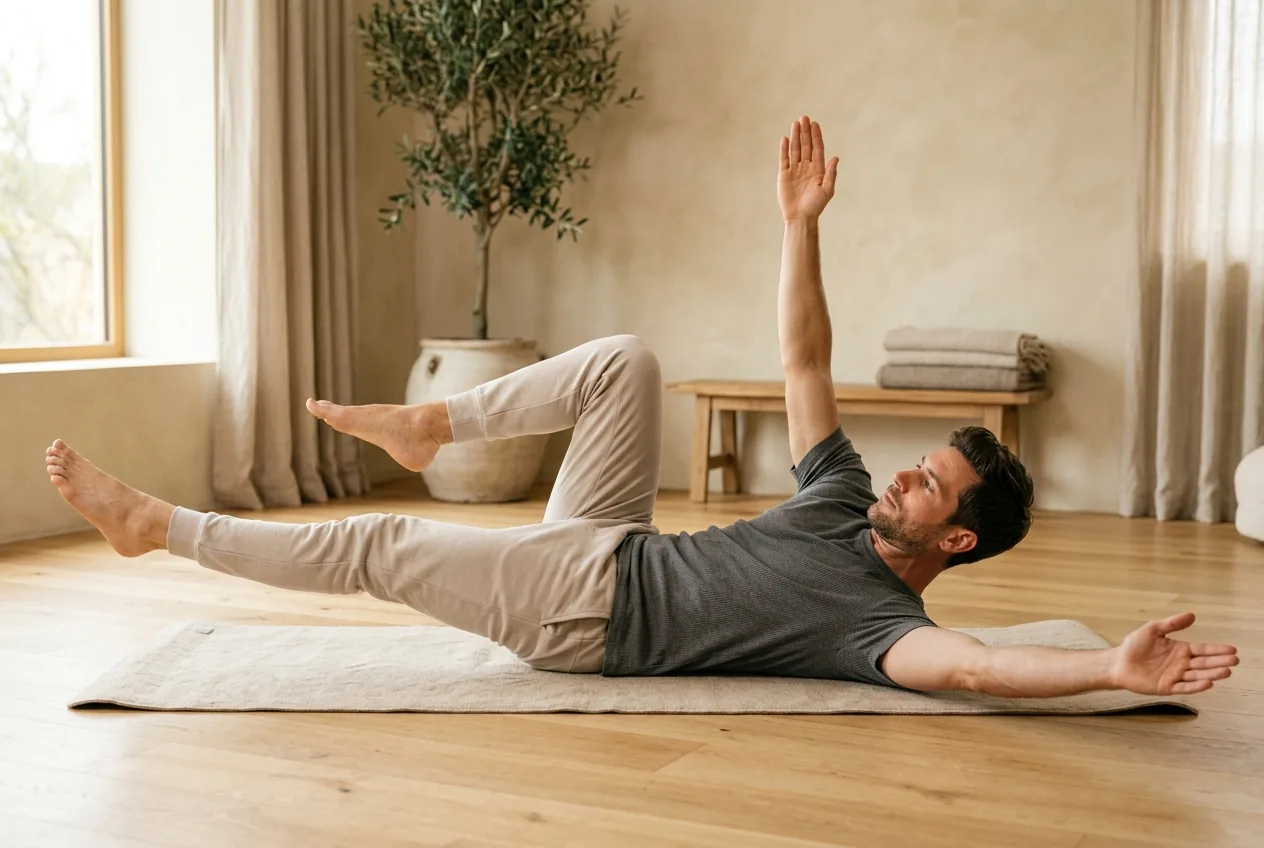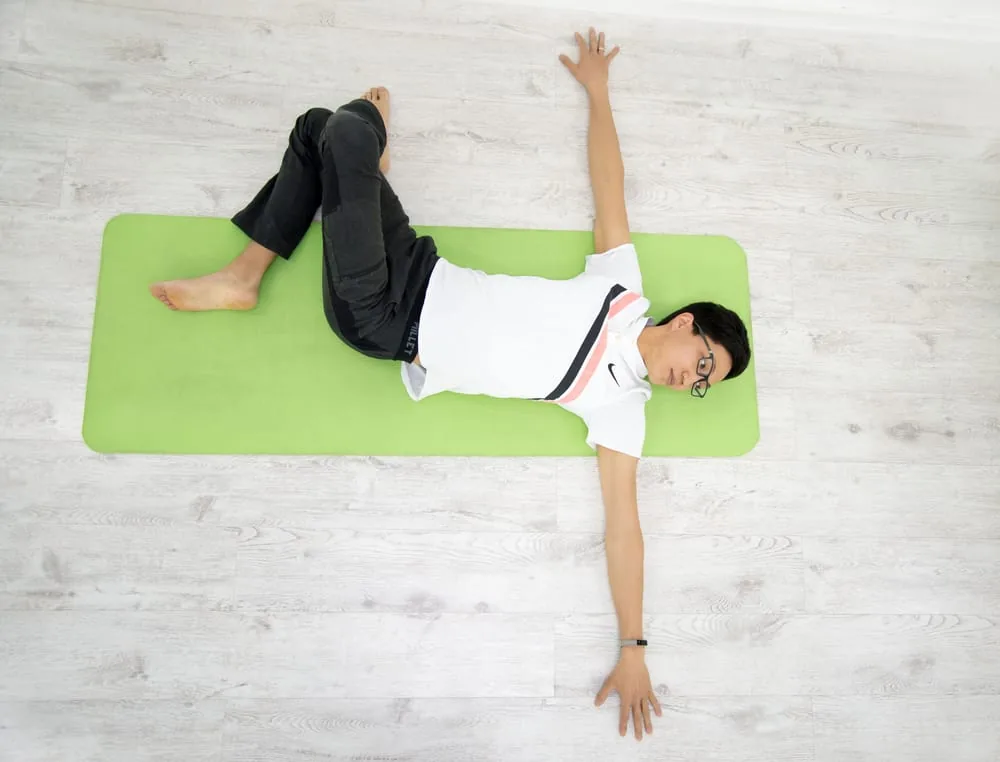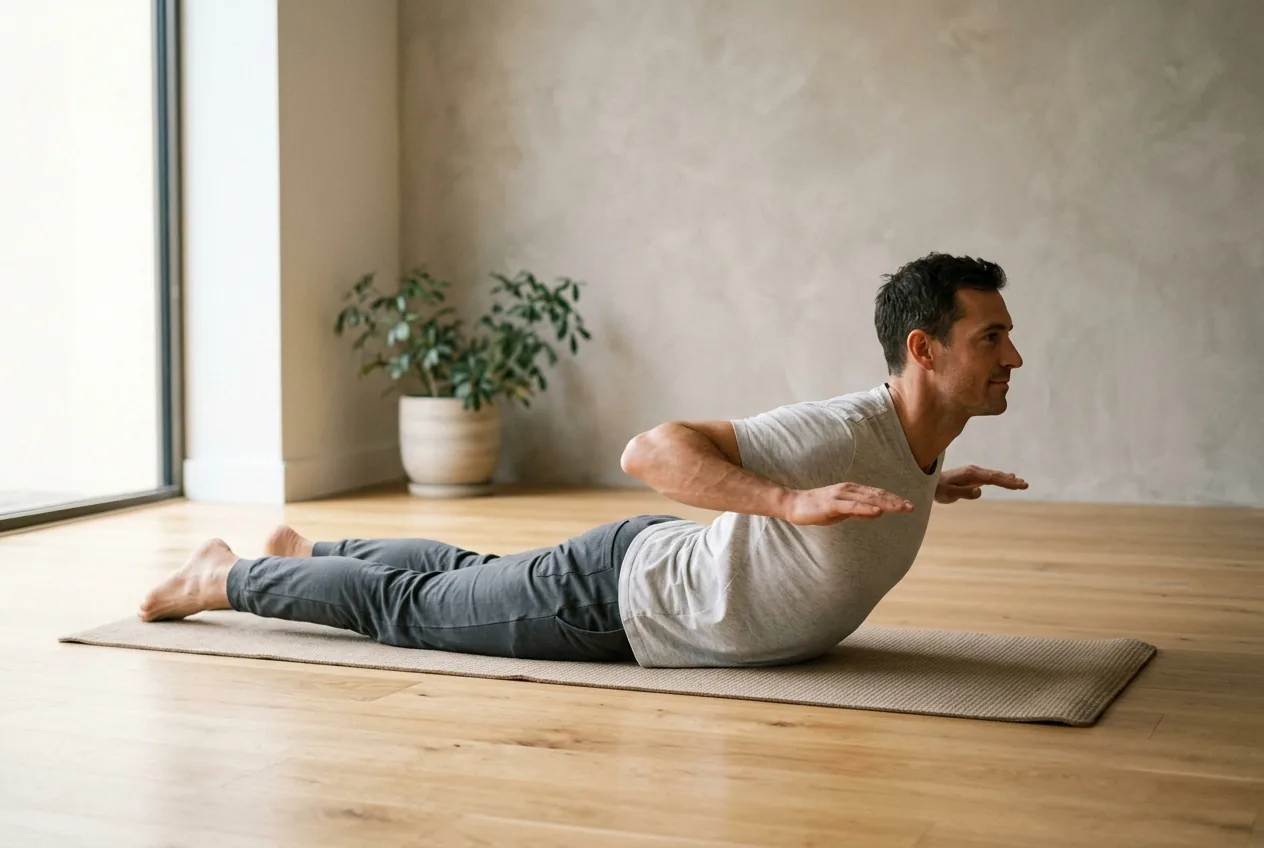
Looking for an effective at home back pain workout? You're not alone. With so many people working from home or juggling busy schedules, finding the time to hit the gym can be challenging. Fortunately, there are plenty of exercises you can do at home to help alleviate back pain. But before you dive into these workouts, it's important to understand why a customized program might be the key to achieving lasting relief.
Good At-Home Back Workout Exercises You Can Do Anywhere
Here are some highly effective exercises you can incorporate into your home workout routine to help relieve back pain:
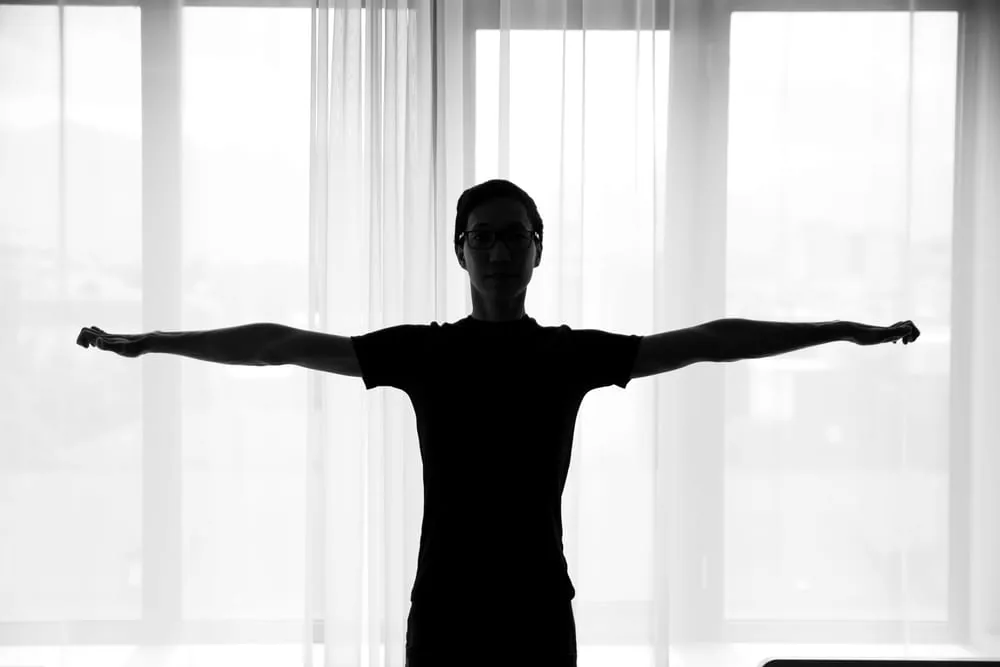
1. Arm Circles
This exercise strengthens the upper back and shoulders, helping to alleviate tension and improve posture.
- How to do it: Stand or sit with your arms extended out to the sides at shoulder height. Slowly rotate your arms in small circles forward for 30 seconds, then reverse the direction for another 30 seconds.
2. Cats and Dogs
This exercise is fantastic for improving spinal flexibility and easing tension in the lower back.
- How to do it: Start on your hands and knees in a tabletop position. Inhale as you arch your back, lifting your head and tailbone towards the ceiling (Cow position). Exhale as you round your back, tucking your chin to your chest and drawing your belly button towards your spine (Cat position). Repeat for 10-15 reps, moving slowly and with control.
3. Static Wall
The Static Wall exercise is designed to realign the spine and release tension in the lower back.
- How to do it: Lie on your back with your legs extended up against a wall, forming a 90-degree angle at your hips. Keep your arms relaxed at your sides. Hold this position for 3-5 minutes, allowing gravity to help align your spine.
4. Pelvic Tilts
This exercise strengthens and releases the muscles of the lower back, helping to relieve tension.
- How to do it: Lie on your back with your knees bent and feet flat on the floor. Slowly tilt your pelvis to flatten your lower back against the floor, then release to create a small arch. Repeat for 10-15 reps, focusing on smooth, controlled movements. From here, a glute bridge for back pain is a natural next step to wake up the muscles that support your pelvis.
5. Air Bench
The Air Bench helps to stabilize the hips and lower back, promoting better posture and reducing pain.
- How to do it: Stand with your back against a wall, feet shoulder-width apart, and slide down until your thighs are parallel to the ground, as if sitting in an invisible chair. Hold this position for 1-2 minutes, or as long as comfortable.
The Importance of Customization: Why a One-Size-Fits-All Approach Falls Short
While these exercises can form a solid foundation for an at-home back pain workout, it's essential to recognize that they might not be enough for everyone. The effectiveness of any workout routine depends heavily on individual factors such as posture, muscle imbalances, and specific pain points.
Here's why a custom program might be the best option:
1. Addressing Muscle Imbalances
Not all back pain is created equal. Some people may have tight hip flexors pulling their pelvis into an anterior tilt, while others might suffer from weak glutes causing instability. A one-size-fits-all at-home back workout won't address these unique issues and may even exacerbate them. Targeted core exercises for lower back pain and a slow, controlled bird dog exercise tend to do more for stability than generic crunches.
2. Targeting Your Specific Needs
Your body's alignment, posture, and movement patterns are unique to you. Generic back pain workout exercises at home may not address the specific areas that need attention. A personalized program, like those offered by Postureletics, evaluates your individual needs and tailors exercises to correct your specific imbalances.
3. Preventing Long-Term Damage
Without proper guidance, you might unknowingly perform exercises that reinforce bad habits or worsen existing issues. For example, if your lower back pain is due to poor posture, certain exercises could make it worse. A custom program ensures that you're doing exercises that not only avoid harm but actively improve your condition.
Conclusion: Get the Best Results with a Custom Program
At-home back pain workouts can be incredibly effective, especially when you're short on time or prefer working out in your own space. However, to truly address the root causes of back pain and achieve lasting results, a customized approach is essential.
At Postureletics, we specialize in creating personalized exercise programs that focus on correcting posture, balancing muscles, and promoting long-term health. Our scientifically backed methods have been proven to deliver superior pain relief and prevent future issues.
Don't settle for a generic workout plan. Take control of your health with a free posture assessment from Postureletics today and discover how a tailored exercise program can help you achieve the results you've been searching for.
Common questions
Is an at-home back workout enough to fix back pain?
For many people it's a solid start, especially for general stiffness and deconditioning. Where it falls short is when your pain comes from a specific imbalance — say, tight hip flexors and weak glutes pulling on your pelvis. A generic routine can miss that, or even feed it. Matching the moves to your own posture is what turns a decent workout into one that actually holds.
How often should I do an at-home back workout?
Short and frequent beats long and occasional. Ten to fifteen minutes most days does more than one hard session a week, because the muscles you're retraining respond to repetition. Consistency is the lever that matters most.
Which exercises should I avoid if my back already hurts?
Be cautious with anything that loads your spine into deep bending or twisting under strain, and stop any move that sharpens the pain rather than easing it. Slow, controlled, neutral-spine moves like bridges and bird dogs are usually a safer starting point.
When should I see a doctor instead of working out?
If your back pain is severe, steadily getting worse, or started after a fall or injury — or if you notice numbness, tingling, or weakness spreading into a leg, or any loss of bladder or bowel control — see a clinician before continuing. Those signs need a proper look first.